Best Remoulade Sauce Recipe – Tangy & Creamy
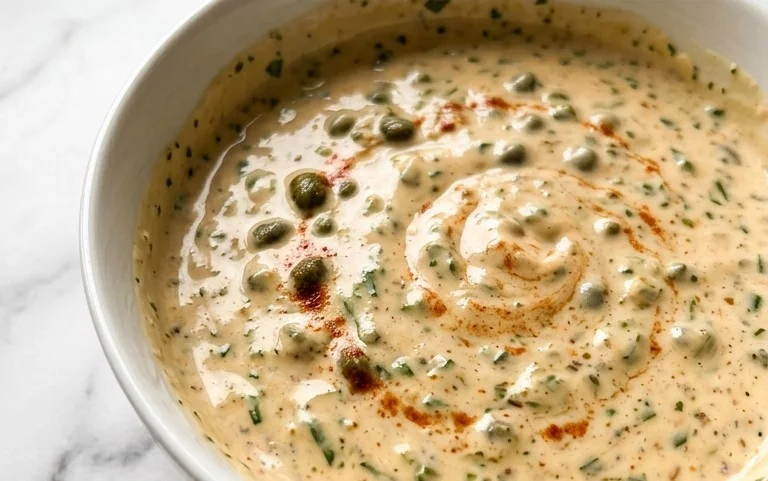
Remoulade Sauce Recipe: Prepare to elevate your culinary game with this indispensable recipe for authentic remoulade sauce! If you’ve ever found yourself captivated by the vibrant, tangy, and utterly addictive flavor that graces everything from fried green tomatoes to decadent crab cakes, then you know the magic of a truly great remoulade. It’s more than just a condiment; it’s a flavor enhancer, a culinary secret weapon that transforms simple dishes into restaurant-worthy masterpieces. What makes this remoulade sauce recipe so beloved? It’s the harmonious blend of creamy mayonnaise, zesty pickles, sharp Dijon mustard, and a whisper of heat that creates a complex yet perfectly balanced profile. This isn’t your average store-bought imitation; this homemade remoulade sauce offers a depth of flavor and a freshness that’s simply unparalleled, making it a must-have in any kitchen.
Remoulade Sauce Recipe
There are certain sauces that elevate any dish from ordinary to extraordinary, and for me, remoulade sauce is undeniably one of them. It’s a flavor explosion, a creamy, tangy, slightly spicy delight that can transform a simple crab cake, a fried green tomato, or even a humble po’boy into something truly remarkable. While you can certainly find store-bought versions, nothing beats the fresh, vibrant taste of homemade remoulade. It’s surprisingly easy to whip up, and the control you have over the ingredients means you can tailor it perfectly to your palate. This recipe, which I’ve honed over many delicious trials, delivers that classic, irresistible kick with just a few simple ingredients.
Ingredients:
- 1 cup mayonnaise
- 2 tablespoons grainy or Creole mustard
- 1 tablespoon creamed horseradish
- 1 tablespoon chopped fresh parsley
- 1 clove garlic (minced)
- 1 teaspoon Worcestershire sauce
- 1 teaspoon lemon juice
- 1/2 teaspoon Cajun seasoning ((I use Tony Chachere’s))
- 1/2 teaspoon smoked paprika
- 1/8 teaspoon cayenne pepper (optional)
Crafting Your Creamy Masterpiece
Making remoulade sauce is more about assembly than actual cooking, which makes it an ideal recipe for even the most novice cooks. The key is to use good quality ingredients, as they will shine through in the final product. Let’s break down the process into simple, manageable steps.
Step 1: The Creamy Foundation
Begin with your base. In a medium-sized bowl, add the 1 cup of mayonnaise. I prefer using a good quality, full-fat mayonnaise for the richest flavor and creamiest texture. It’s the backbone of our sauce, so don’t skimp here. Ensure your mayonnaise is at room temperature if possible, as it will combine more smoothly with the other ingredients. If you’re using a lighter mayo, be aware that the final sauce might be slightly less rich, but still delicious.
Step 2: Adding the Tang and Kick
Now, it’s time to introduce the zesty elements. Add the 2 tablespoons of grainy or Creole mustard to the bowl with the mayonnaise. Grainy mustard adds a delightful textural contrast and a more robust mustard flavor, while Creole mustard, with its often spicier profile, brings a lovely Southern flair. Choose the one that best suits your preference for heat and texture. Next, incorporate the 1 tablespoon of creamed horseradish. This ingredient is crucial for that signature remoulade tang and a subtle warmth that builds without overpowering. Be sure to use creamed horseradish, as the plain, grated kind can be far too pungent and watery.
Step 3: Herbaceous Notes and Aromatic Depth
Freshness is paramount in remoulade, and that comes from the herbs and aromatics. Stir in the 1 tablespoon of finely chopped fresh parsley. Parsley not only adds a beautiful fleck of green but also contributes a bright, clean flavor that cuts through the richness of the mayonnaise. Follow this with the 1 clove of garlic, minced as finely as possible. For an even smoother sauce and to ensure no harsh garlic bites, you can even mince it to a paste by using the side of your knife and a pinch of salt. A very finely grated clove of garlic can also work well.
Step 4: The Umami and Spice Symphony
To round out the flavor profile, we add a few key seasonings. Drizzle in the 1 teaspoon of Worcestershire sauce. This often-overlooked ingredient provides a deep, savory, umami note that adds complexity to the sauce. Then, add the 1 teaspoon of lemon juice. The acidity from the lemon juice brightens all the other flavors and prevents the sauce from tasting too heavy. Now for the spice! Add the 1/2 teaspoon of Cajun seasoning. I love Tony Chachere’s for its balanced blend of salt, pepper, paprika, and other spices, but feel free to use your favorite. If you enjoy a bit more smoky depth, the 1/2 teaspoon of smoked paprika is a fantastic addition. Finally, for those who like a little extra heat, add the 1/8 teaspoon of cayenne pepper. This is entirely optional, so taste your sauce before adding it, and adjust to your liking. You can always add more, but you can’t take it away!
Step 5: The Art of Blending and Resting
This is where the magic truly happens. Gently whisk all the ingredients together until they are thoroughly combined and the sauce is a uniform, creamy color. Be careful not to overmix, especially if you’re using grainy mustard, as you want to maintain some of that texture. Once everything is well incorporated, cover the bowl and refrigerate the remoulade sauce for at least 30 minutes, and preferably for an hour or more. This resting period is crucial! It allows the flavors to meld and deepen, creating a more harmonious and complex taste. The garlic and spices will have time to infuse the creamy base, and the sauce will thicken slightly. This step is non-negotiable for the best possible flavor.
Serving Suggestions and Storage
Once your remoulade has had its well-deserved rest, give it a quick stir. Taste and adjust seasonings if necessary – perhaps a pinch more salt, a squeeze more lemon, or a touch more cayenne. This sauce is incredibly versatile. It’s a classic pairing for seafood like fried shrimp, crab cakes, or oysters. It’s also divine on sandwiches, especially muffuletta or po’boys. Don’t forget about fried green tomatoes, grilled chicken, or even as a dip for raw vegetables. Store any leftover remoulade sauce in an airtight container in the refrigerator for up to 5-7 days. The flavors will continue to develop, so it might even taste better on day two! Enjoy this vibrant, flavorful sauce that’s sure to become a staple in your kitchen.

Conclusion:
There you have it – a fantastic Remoulade sauce recipe that’s incredibly versatile and surprisingly simple to whip up. This isn’t just another condiment; it’s a flavor powerhouse, bringing a delightful tang and a touch of creamy spice to a multitude of dishes. Whether you’re looking to elevate your seafood, add some zing to your fried chicken, or give your sandwiches a gourmet upgrade, this remoulade sauce is your secret weapon. Its creamy texture, balanced with the piquant notes of mustard, capers, and pickles, makes it a true crowd-pleaser.
Don’t hesitate to experiment with serving suggestions! It’s phenomenal with fried oysters, shrimp po’boys, crab cakes, or even as a dip for French fries and crudités. Feel free to get creative with variations too. A pinch of paprika can add a smoky depth, while a dash of hot sauce can dial up the heat. You might also consider adding a hint of dill or a whisper of garlic for an extra layer of flavor. I truly encourage you to give this remoulade sauce recipe a try; you’ll be amazed at how it transforms everyday meals into something truly special.
Frequently Asked Questions about Remoulade Sauce:
Can I make this remoulade sauce ahead of time?
Absolutely! In fact, making this remoulade sauce a few hours or even a day ahead of time is highly recommended. This allows the flavors to meld and deepen, resulting in an even more delicious sauce. Store it in an airtight container in the refrigerator.
What is the main difference between remoulade and tartar sauce?
While both are creamy, often mayonnaise-based sauces, remoulade typically has a bolder, more complex flavor profile. It often includes ingredients like Creole mustard, capers, pickles, and sometimes a touch of cayenne pepper or hot sauce, giving it a spicier and more piquant character than traditional tartar sauce, which is usually milder and focused on chopped pickles and relish.
How long does homemade remoulade sauce last in the refrigerator?
When stored properly in an airtight container in the refrigerator, this homemade remoulade sauce will stay fresh for about 5 to 7 days. Always use clean utensils when serving to maintain its quality and freshness.
Remoulade Sauce Recipe
A classic remoulade sauce, perfect for seafood, sandwiches, and fries. This recipe offers a delicious balance of creamy, tangy, and spicy flavors.
Ingredients
-
1 cup mayonnaise
-
2 tablespoons grainy or Creole mustard
-
1 tablespoon creamed horseradish
-
1 tablespoon chopped fresh parsley
-
1 clove garlic (minced)
-
1 teaspoon Worcestershire sauce
-
1 teaspoon lemon juice
-
1/2 teaspoon Cajun seasoning
-
1/2 teaspoon smoked paprika
-
1/8 teaspoon cayenne pepper
Instructions
-
Step 1
In a medium bowl, combine the mayonnaise, grainy or Creole mustard, and creamed horseradish. -
Step 2
Add the chopped fresh parsley, minced garlic, Worcestershire sauce, and lemon juice to the bowl. -
Step 3
Stir in the Cajun seasoning, smoked paprika, and cayenne pepper (if using). -
Step 4
Mix all ingredients thoroughly until well combined and smooth. -
Step 5
Cover the bowl and refrigerate for at least 30 minutes to allow the flavors to meld before serving.
Important Information
Nutrition Facts (Per Serving)
It is important to consider this information as approximate and not to use it as definitive health advice.
Allergy Information
Please check ingredients for potential allergens and consult a health professional if in doubt.