Vibrant Chimichurri Sauce Recipe For Grilled Meats
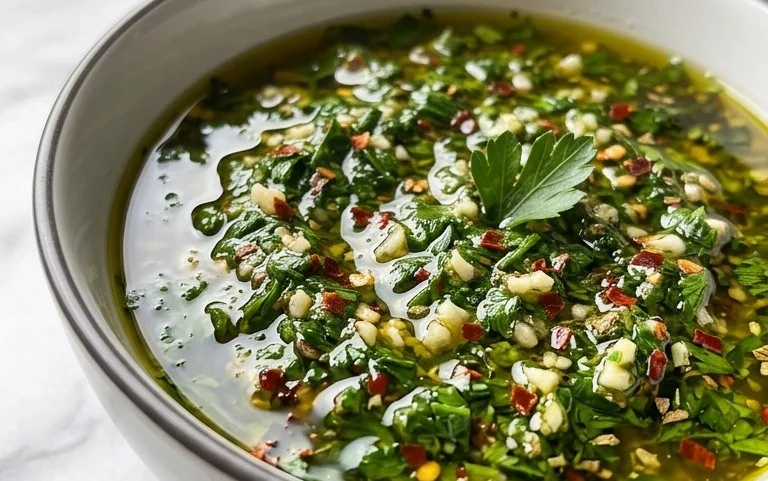
Chimichurri Sauce Recipe: Prepare to elevate your grilling game to a whole new level! If you’ve ever savored the vibrant, zesty punch that accompanies perfectly grilled meats, chances are you’ve met the magic of chimichurri. This Argentinian condiment isn’t just a sauce; it’s a flavor explosion waiting to happen. We love chimichurri for its incredible versatility and its ability to transform even the simplest of dishes into something extraordinary. What truly sets this herbaceous delight apart is its fresh, raw character. Unlike cooked sauces, chimichurri bursts with the bright, clean taste of parsley, oregano, garlic, and vinegar, balanced with a kiss of chili flakes for a gentle warmth. It’s the perfect counterpoint to rich, savory flavors, cutting through richness and adding a refreshing complexity that keeps you coming back for more. Get ready to discover your new favorite go-to condiment with this easy-to-make chimichurri sauce recipe!
Chimichurri Sauce Recipe
Chimichurri. Just the name conjures up images of sizzling grilled meats, vibrant green sauces, and a burst of fresh, herbaceous flavor that awakens the palate. This Argentinian staple is incredibly versatile, transforming simple dishes into something truly special. Whether you’re a seasoned griller or looking for a quick way to elevate your weeknight meals, this chimichurri sauce recipe is your secret weapon. It’s surprisingly easy to make, requiring no cooking at all, just a bit of chopping and mixing. The beauty of chimichurri lies in its freshness; it’s a celebration of herbs and the bright tang of vinegar and lemon. Forget those store-bought versions that often lack the punch and vibrancy of homemade. This recipe will guide you through creating a chimichurri that’s bursting with authentic flavor, perfect for drizzling, marinating, or dipping.
Ingredients:
- 1 cup fresh Italian flat-leaf parsley (, leaves only, stems removed)
- 1/4 cup fresh cilantro (, leaves only, stems removed)
- 1/4 cup fresh oregano (, leaves only, stems removed)
- 1/3 cup roughly chopped red onion or shallots
- 3 cloves garlic (, peeled)
- 1/2 teaspoon red pepper flakes
- 1/2 cup extra-virgin olive oil
- 1/4 cup red grape juice vinegar
- 3 tablespoons fresh lemon juice
- 1 teaspoon kosher salt
Instructions:
Creating this vibrant green sauce is a delightful and straightforward process. The key to a fantastic chimichurri is using the freshest ingredients possible. Take your time selecting your herbs; they should be bright green and fragrant. For the parsley and cilantro, ensure you are only using the leaves. The stems, especially for parsley, can be a bit tough and fibrous, which might detract from the smooth texture we’re aiming for. Gently pull the leaves away from the stems. For the oregano, you can often get away with including some of the more tender, young stems if they are thin and flexible, but sticking to leaves will guarantee the best result.
Now, let’s get to the chopping. This is where the magic starts to happen. You have a couple of options for how finely you chop your ingredients. For a more rustic, textured chimichurri, a sharp knife is your best friend. You’ll want to finely mince all of your herbs (parsley, cilantro, and oregano), the red onion or shallots, and the garlic. The goal is to get everything as small as possible without turning it into a paste. If you prefer a smoother sauce, a food processor can be a great tool. However, I find that over-processing can sometimes lead to a mushy texture, so be mindful if you go that route. If using a food processor, pulse the herbs, onion/shallots, and garlic in short bursts until they are finely chopped but still have some discernible texture.
The next step involves combining the chopped aromatics and seasonings. In a medium bowl, add your finely chopped parsley, cilantro, and oregano. Next, add the roughly chopped red onion or shallots and the minced garlic. Sprinkle in the red pepper flakes. These little flakes are where the subtle heat of the chimichurri comes from. Adjust the amount to your preference; if you like things spicier, feel free to add a pinch more. If you prefer a milder sauce, you can use less. The red onion or shallots will provide a mild, sweet pungency that balances the herbaceous notes.
Now it’s time to introduce the liquids that will bring our chimichurri to life. Pour in the extra-virgin olive oil. Use a good quality olive oil; its flavor will be prominent in the sauce, so choose one you enjoy the taste of. Next, add the red grape juice vinegar. This vinegar offers a slightly different profile than traditional red grape juice vinegar, often with a touch more fruitiness and less sharpness, which I find works beautifully in chimichurri. If you can’t find red grape juice vinegar, good quality red grape juice vinegar is a perfectly acceptable substitute. Follow this with the fresh lemon juice. The lemon juice is crucial for its bright acidity, which cuts through the richness of the oil and the earthiness of the herbs. Finally, add the kosher salt. Kosher salt has a coarser grain than table salt, which I find provides a better texture and more controlled seasoning.
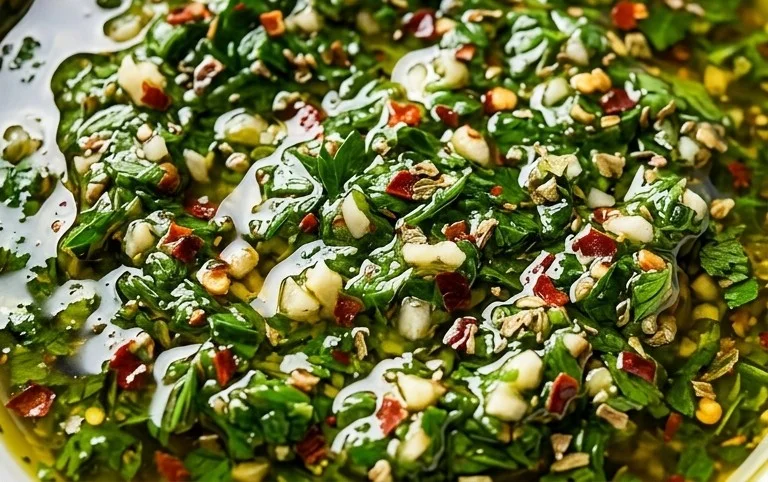
Once all of your ingredients are in the bowl, it’s time to stir everything together. Use a spoon or a whisk to thoroughly combine all the elements. Make sure to scrape the bottom of the bowl to ensure everything is well incorporated. You want to see a beautiful, vibrant green sauce with flecks of red onion and herbs throughout. Taste your chimichurri at this stage and adjust the seasoning if necessary. You might find it needs a little more salt, a touch more lemon juice for brightness, or even a tiny bit more red pepper flake for heat.
For the best flavor, it’s highly recommended to let your chimichurri sauce rest. Cover the bowl tightly and refrigerate it for at least 30 minutes, or even better, for a couple of hours. This resting period allows all the flavors to meld and deepen. The herbs will infuse into the oil and vinegar, creating a more complex and harmonious sauce. You’ll notice the aroma intensifying as it sits. When you’re ready to serve, give it another good stir, as the oil and vinegar may separate slightly. This chimichurri is a revelation drizzled over grilled steaks, chicken, fish, or even roasted vegetables. It’s also fantastic as a marinade or a vibrant sauce for sandwiches and wraps. Enjoy the fresh, zesty taste of homemade chimichurri!
Conclusion:
And there you have it – a vibrant and flavorful Chimichurri Sauce Recipe that’s incredibly versatile and surprisingly simple to make! This herbaceous sauce is a game-changer for elevating grilled meats, roasted vegetables, fish, and even as a delicious marinade. Its bright, zesty profile, packed with fresh parsley, oregano, garlic, and a hint of chili, cuts through richness beautifully and adds a burst of freshness to any dish. I truly encourage you to try this recipe; it’s become a staple in my kitchen for a reason!
Beyond its classic pairing with grilled steak, consider drizzling it over roasted chicken, pan-seared salmon, or even tossing it with pasta or potatoes. For a vegetarian delight, it’s fantastic on grilled halloumi, portobello mushrooms, or sweet potato wedges. Don’t be afraid to experiment with this Chimichurri Sauce Recipe; a touch of lime juice can add an extra zing, or you can play with the heat level by adjusting the amount of chili flakes. The possibilities are truly endless!
Frequently Asked Questions about Chimichurri Sauce:
Can I make Chimichurri Sauce ahead of time?
Absolutely! In fact, chimichurri often tastes even better the next day as the flavors have more time to meld. Store it in an airtight container in the refrigerator for up to a week. You might need to give it a good stir before serving.
How should I store leftover Chimichurri Sauce?
Store any leftover Chimichurri Sauce Recipe in a clean, airtight container in the refrigerator. It’s best to cover the surface of the sauce with a thin layer of olive oil to prevent browning and keep it fresh. Properly stored, it should remain delicious for about a week.
Can I freeze Chimichurri Sauce?
While it’s not ideal, you can freeze chimichurri. However, the fresh herbs may lose some of their vibrant texture and color upon thawing. It’s best enjoyed fresh or refrigerated. If you do freeze it, consider freezing it in ice cube trays for easy portioning.
Chimichurri Sauce Recipe
A vibrant and herbaceous Argentinian sauce, perfect for grilling or as a flavor enhancer.
Ingredients
-
1 cup fresh Italian flat-leaf parsley, leaves only, stems removed
-
1/4 cup fresh cilantro, leaves only, stems removed
-
1/4 cup fresh oregano, leaves only, stems removed
-
1/3 cup roughly chopped red onion
-
3 cloves garlic, peeled
-
1/2 teaspoon red pepper flakes
-
1/2 cup extra-virgin olive oil
-
1/4 cup red grape juice vinegar
-
3 tablespoons fresh lemon juice
-
1 teaspoon kosher salt
Instructions
-
Step 1
Finely chop the fresh parsley, cilantro, and oregano. -
Step 2
Finely mince the chopped red onion and garlic. -
Step 3
In a medium bowl, combine the chopped herbs, red onion, garlic, and red pepper flakes. -
Step 4
Whisk in the extra-virgin olive oil, red grape juice vinegar, and fresh lemon juice. -
Step 5
Stir in the kosher salt. -
Step 6
Allow the sauce to sit for at least 10-15 minutes to let the flavors meld. Can be made ahead and stored in the refrigerator.
Important Information
Nutrition Facts (Per Serving)
It is important to consider this information as approximate and not to use it as definitive health advice.
Allergy Information
Please check ingredients for potential allergens and consult a health professional if in doubt.